
Juno runs on AI, and AI runs on electricity and water. That has a cost for the planet, and we do not want you to carry it. This page says plainly what Juno uses, why we are concerned, and what we give back.
Quick answer. We estimate the AI and cloud services behind Juno at roughly 8 metric tons of CO2e a month. For every message you send, SharedGenes, the company behind Juno, funds twice that estimate back into the environment through Gold Standard carbon credits from a solar water project in Kenya. Juno is meant to leave the planet better off, not just even.

Photo: Eddie Le Marquand / Unsplash.
How AI affects the environment
Every message to an AI model is answered by servers in a data center. Those servers draw electricity, and many data centers use water to keep them cool. Training the models uses far more again. The industry as a whole is growing fast, and most companies do not say what their share of that is.
We think people deserve a straight answer. If you live with chronic illness and Juno makes your days easier, you should not have to wonder whether using her is quietly costing the climate.
Our carbon usage
When you talk to Juno, the request goes to AI models in data centers. Juno's database, memory and voice calls also run on cloud servers. We add all of this up every month.
We use the industry-standard, spend-based method: what we pay our upstream providers, converted into emissions with published factors. That is the accepted approach when providers do not share direct meter data. It has a margin of error, which is why we offset double our largest estimate rather than our best guess.
You may have seen figures for the energy or water behind a single ChatGPT prompt. Those come from other companies' models, measured in other ways, so we do not borrow them to describe Juno.
We are concerned
We are not neutral about this. The founders live with chronic illness, and climate change is a health issue too: heat, air quality and disrupted care all fall hardest on people who are already unwell. We would rather be honest about a cost than pretend it is not there.
Water is the part we watch most closely. Our AI providers are moving to chips with closed-loop cooling, and we expect our water footprint to fall towards zero over the next few years. Until it does, the project we fund gives clean drinking water back to households that would otherwise boil theirs.
The benefits are worth it
Juno exists because managing a long-term condition is exhausting. She keeps symptoms, medicines, sleep and appointments together so people do not have to rebuild their story from memory every time they see a doctor. Clearer records mean shorter paths to answers, fewer wasted appointments and less time travelling to be told to come back.
A message to Juno is a small cost with a real benefit for someone who is unwell. Our job is to make sure that cost is paid for, twice over.
Giving back, twice
For every message sent to Juno, we fund two times its estimated impact back into the environment. In practice that means:
| What we do | How |
|---|---|
| Measure | Monthly carbon estimate for all AI and cloud services behind Juno |
| Offset at 2x | Gold Standard carbon credits covering double our rounded estimate |
| Give water back | The credits come from a solar-powered project that supplies safe drinking water in Kenya |
| Publish | This page, updated as the numbers change, plus an evidence pack on request |
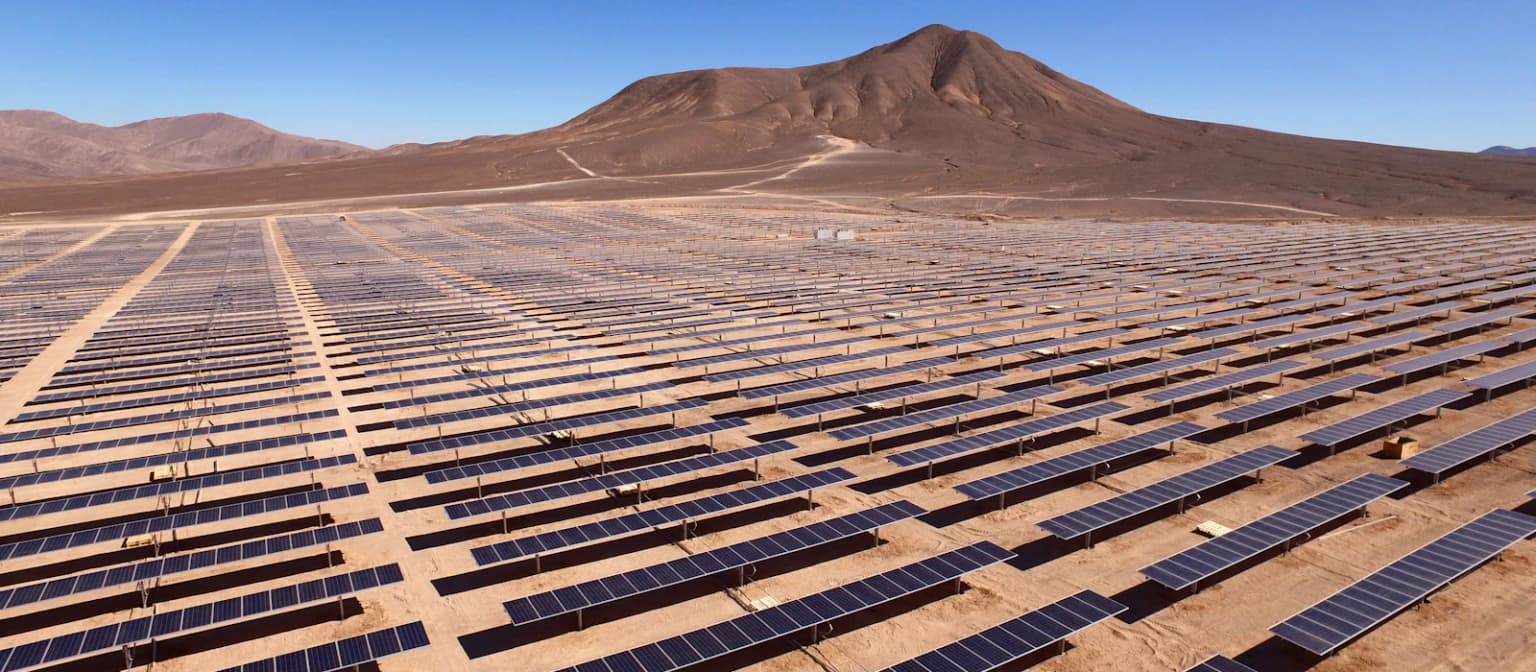
Solar panels in Chile. Photo: Antonio Garcia / Unsplash.
Questions and evidence
If you have questions about any of this, or want the evidence pack behind our estimates and offsets, email team@juno-chat.com.