
Our story
We built Juno because we had to become our own advocates.
Marshall
A note from Marshall on getting sick in his first weeks at University College London, learning to live around chronic fatigue, and why Juno exists.
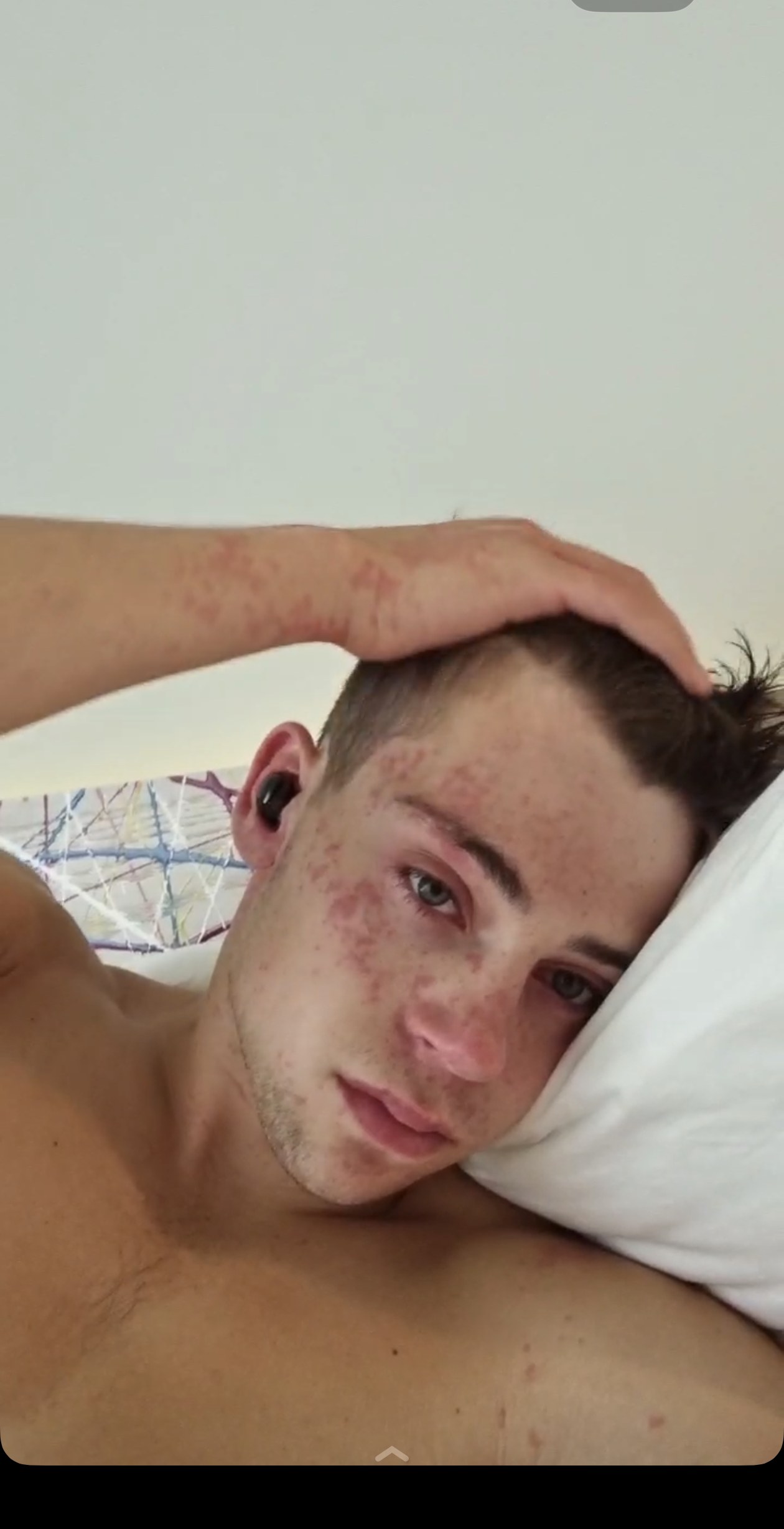
It started in my first few weeks at UCL.
In my first few weeks at University College London, I started getting bad fevers, awful tonsillitis, and sinus headaches that made me feel like I did not know myself anymore. I felt trapped, tired, and constantly fatigued, but I kept pushing.
I pushed because it was my first year of university and I was scared of missing out. I told myself I would be fine. If I woke up at two or three in the afternoon, that was university, right? Everyone was going out, sleeping badly, waking late, and doing it again.
But when I stopped drinking and everyone else found their rhythm again, I still did not feel okay. I thought maybe I was lazy, or dramatic, or just bad at coping. Everyone gets tired, right? But it was not normal tiredness. The tonsillitis kept coming back. I kept feeling sick, dizzy, nauseous, and foggy, and I still tried to act like I was fine.
"Everyone was tired, right? But it was not like that. I was tired every day."
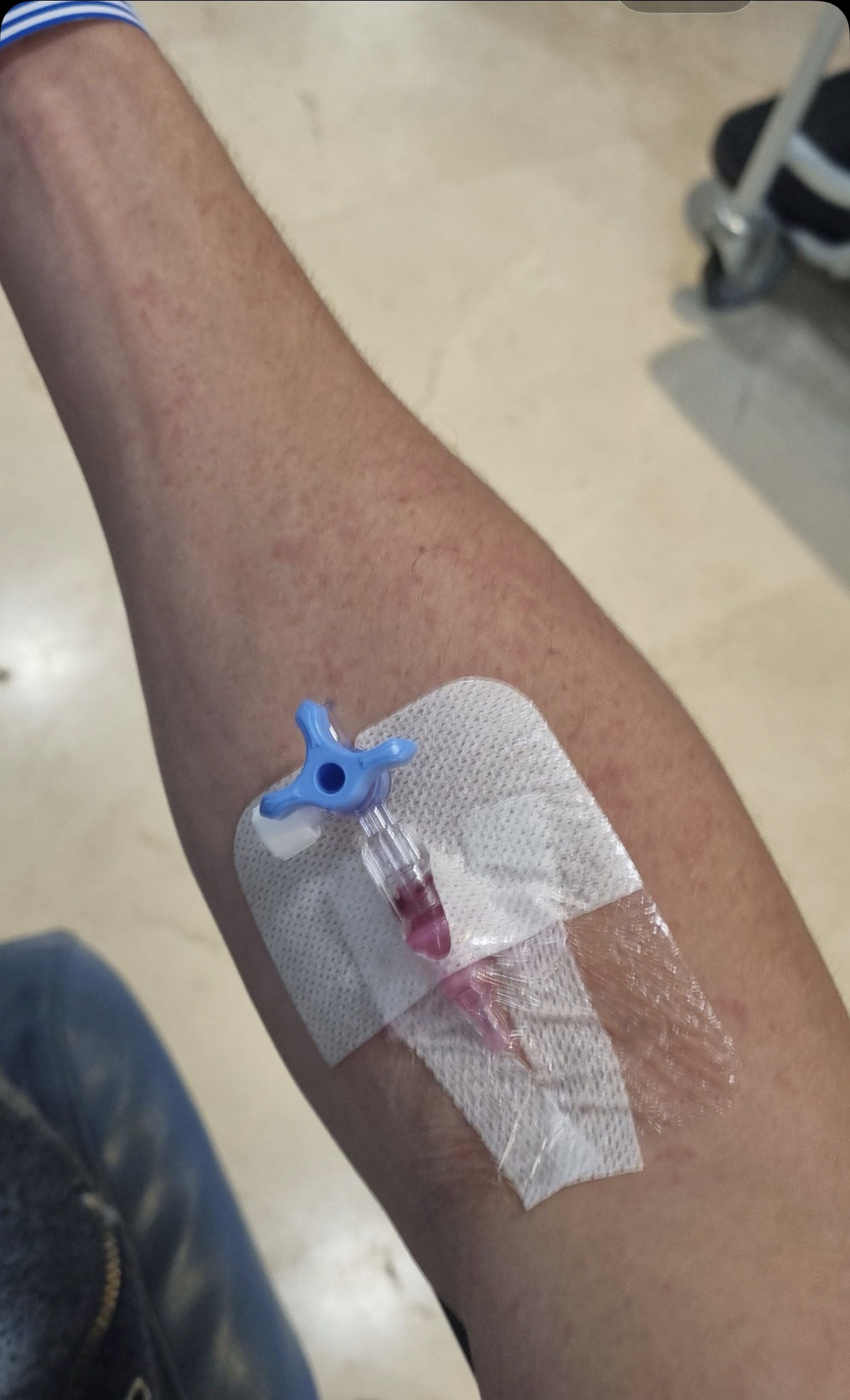
Sleep became the calculation behind everything.
At first I tried simple things: earplugs, then a sleep mask, then a white noise machine. Then meditation, medication, sleeping pills, herbal remedies, acupuncture, and anything else that might help. I wore an Oura ring until it told me I was getting five minutes of deep sleep a night. I took it off because seeing the number made the fear worse.
Doctors gave me more medication, but I could not keep track of what was helping, what was doing nothing, and what was just another thing to remember. I still wanted a normal life. I could think hard enough. I could exercise sometimes. I could maintain something that looked semi-normal from the outside.
Inside, every day was sleep maths. How much energy can I spend? If I do this now, what happens later? How much worse will tomorrow be? Eventually I forgot what normal tiredness felt like. No matter how long I slept, I woke up feeling like I had only had one or two hours.
For years I pretended it was not there.
For a long time there was no formal test that could give me a clear answer. Four years later, when I finally did get tested, it came back positive for chronic fatigue. Telling my family was strange, because it felt like admitting something I had spent years pretending did not exist.
I had built a mental block around it. There was no cure I could point to, so it felt easier to ignore it, drink caffeine, keep moving, and make my life look normal. Starting a company made that harder. Longer hours and routines that other people could survive started to feel unsustainable for me.
I only really started seeking help again when my eyes began to go. I would look from one object to another and there would be a delay, especially when I was tired. Now focusing can take a long time, and sports I used to love, like tennis, have become much harder. That was when I realized I could not keep pretending.
"Being ill is exhausting, but being your own advocate can be just as exhausting. You have to chase the clinic, remember the symptoms, track the medication, explain yourself again, and still somehow live your life."
- Marshall
That is why I built Juno.
I know why people delay getting help. Sleep clinics can be booked for six months. A GP appointment can end with more pills and no plan. When you can still live a semi-normal life, it can feel easier to pretend you are not ill than to spend the little energy you have fighting the system.
I was lucky enough that most people could not see how bad it was. I just looked tired. But underneath, I was tired every day. Now I am trying to take care of myself properly. I use a nerve stimulator morning and evening. I take supplements. I track what is happening. I am still waiting on answers, but at least I am not trying to hold the whole picture in my head anymore.
That is what Juno should be for other people. A place to hold the notes, symptoms, sleep, medication, crashes, appointments, and patterns, so you do not have to rebuild the story every time you need care.
Chronic illness is not niche. Put ten people in a room and several of them will be living with something that affects them every day. At least one may be living with something severe enough that they do not remember what normal feels like. Juno exists because those people deserve tools built for them, not afterthoughts.
It is still evolving, and it will become much better, but I already know why it matters. I needed something like this. I am glad I get to build it.
Isaac
A note from Isaac on growing up with chronic sinusitis, finally getting answers at university, and why no one should have to explain the same symptoms from scratch every time they ask for help.

It started with chronic sinusitis.
I was constantly coughing without any explanation. Every winter brought awful sinus headaches that would flare so badly it became hard to think about anything else.
I spent years going to different specialists, doctor appointments, and ENT clinics trying to work out what was going on. At one point I even had my tonsils removed, hoping it might finally help. It didn't.
University was the first time things started to make sense.
While I was at university, I was diagnosed with eosinophilic bronchitis. After years of not really knowing what I was dealing with, finally having an explanation changed everything.
More importantly, I was given treatment that actually helped manage the symptoms and prevent flares. It was the first time things felt even slightly more workable.

Meeting someone else changed how I saw all of it.
At university I met a friend who had lived through very similar symptoms. Just knowing someone else understood the cycle, the uncertainty, and how much work it all takes was incredibly powerful.
That feeling stayed with me. It made me want to create that same experience for other people, the relief of not having to explain everything from the beginning just to feel understood.
"Sometimes the hardest part is not the symptoms. It's trying to spot the missing pattern, then explaining it again to the seventh doctor after waiting months for a fifteen minute appointment."
- Isaac
So that's what Juno is.
We built Juno to help people find the missing patterns in their health, advocate for themselves more clearly, and carry the parts of the story that are too easy to lose between appointments.
Juno helps you hold onto what changed, what flared, what helped, and what still does not make sense, so you are not starting from zero every time you ask for care.
It is built to make re-explaining symptoms easier, especially when you have waited months for a short appointment and need to make every minute count.
You shouldn't have to do this alone.
DownloadJuno: Chronic Illness Support is an app by SharedGenes, Inc. and is not affiliated with Juno Health (EHR software), Juno.com (email and internet service) or the film Juno.