
Fatigue
Why you are exhausted all the time, why good days end in a crash, and how pacing helps.
Why Am I So Tired All the Time? Causes, Tests and When to Get Help
Always tired? The everyday causes to rule out first, the conditions and blood tests doctors check, what normal results mean, and when to get help fast.

The Best Pacing Apps for Chronic Illness (2026)
The best pacing apps for ME/CFS, long COVID and chronic illness in 2026: Visible, Bearable, Elara Health, Juno, Pacely, Pacing Guard and more, prices checked.

The Best Apps for ME/CFS and Long COVID (2026)
Visible, Bearable, Guava and Juno compared for ME/CFS and long COVID: heart-rate pacing, low-energy logging, doctor reports and prices, as of October 2026.
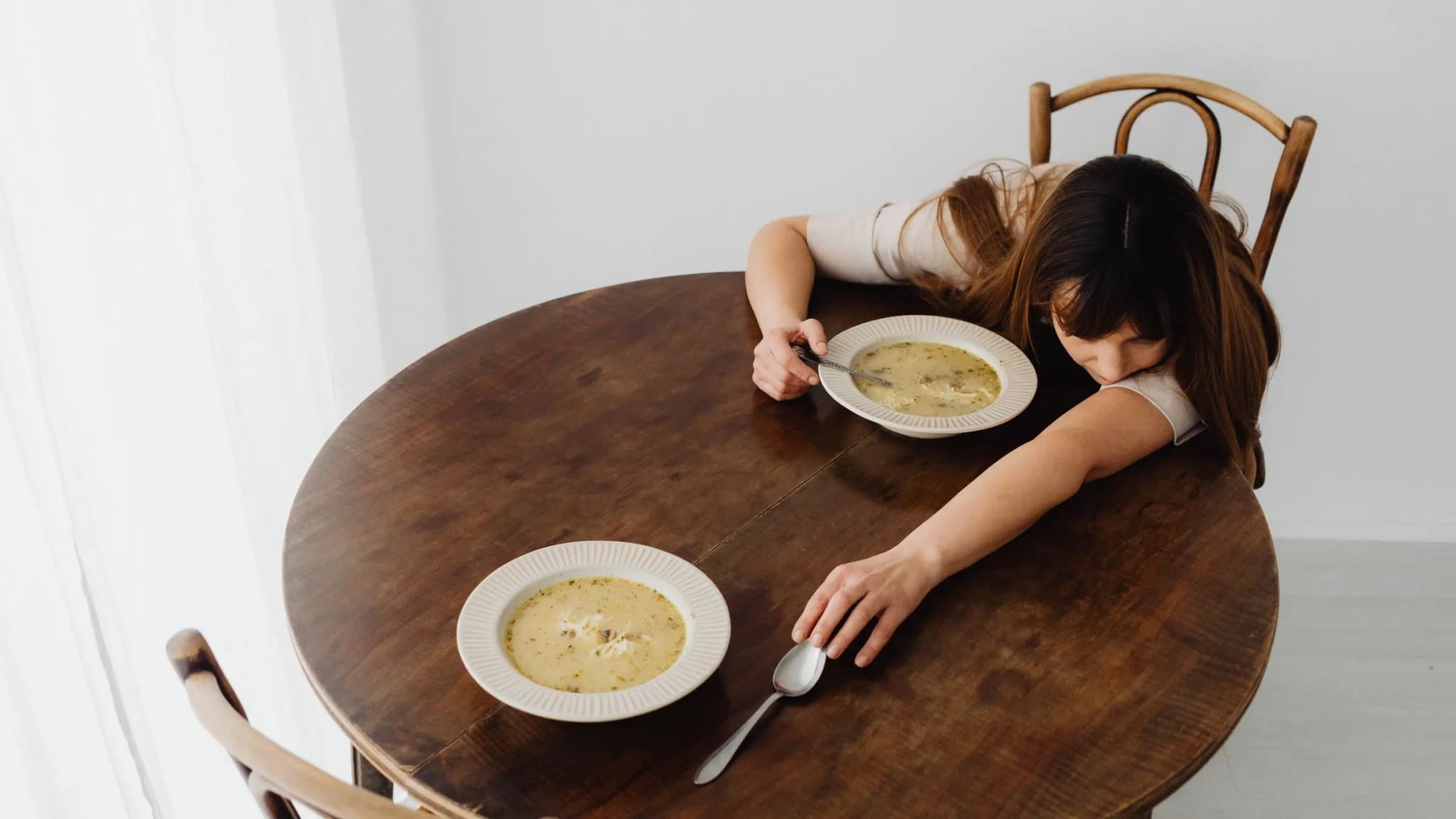
Tired After Eating: Why It Happens and When to See a Doctor
Feeling sleepy after eating is called postprandial somnolence, or a food coma. It’s common and usually harmless. The causes, what helps and when to see a GP.

PEM Crash: Symptoms and Why It Hits 24 Hours After Activity
A PEM crash is a flu-like worsening of symptoms 12 to 48 hours after physical or mental effort. It can last days or weeks. What it feels like and what helps.

Spoon Theory: What It Means and How to Use It
Spoon theory explains limited energy: you start each day with a set number of spoons and every task costs some. Where it came from and how to use it.

Energy Pacing with Juno: Plan Around the Day You Have
Use Juno to plan daily activities around limited energy, understand spoon estimates and keep symptom context together, with practical pacing examples to try.

Delayed Post-Exertional Malaise: How to Spot Your PEM Window
Learn how delayed post-exertional malaise can follow activity by 12 to 48 hours, how to spot your PEM window, and how activity notes can support pacing.
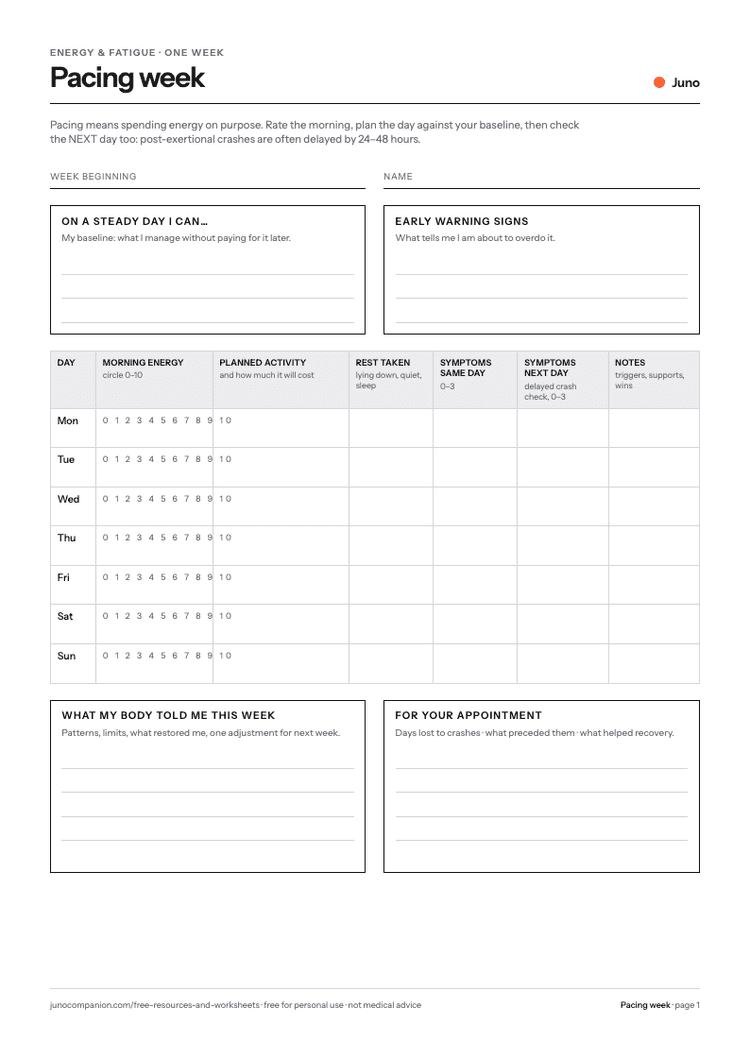
Energy Pacing for Chronic Illness: How to Manage Your Energy and Prevent Crashes
Learn how to use energy pacing to manage chronic illness, budget your energy levels daily, avoid post-exertional malaise, and prevent symptom flares.
Quick answer
Chronic fatigue is more than being tired: rest does not fix it, and a good day can end in a crash a day or two later. These guides explain common causes, post-exertional malaise and the pacing methods people use, from spoon theory to heart-rate pacing. The aim is a steadier week, with clearer evidence about what your body can sustain.