Quick answer
There is no proven Hashimoto’s diet. The best-supported advice is to take levothyroxine consistently on an empty stomach, away from coffee, calcium and iron; avoid high-dose iodine and kelp; and eat a balanced diet. Gluten-free eating, selenium and vitamin D have limited or mixed evidence. Get tested for coeliac disease before cutting gluten.
Search for a Hashimoto’s diet and you will find long lists of foods to cut out. The research is much quieter. Cleveland Clinic says there is no special diet for Hashimoto’s, and Mayo Clinic says there is no evidence that eating or avoiding particular foods helps an underactive thyroid work better. [1] [2]
That does not mean food is irrelevant. What you eat and drink around levothyroxine affects how much of it you absorb, too much iodine can make things worse, and a few nutrients are being studied. This guide sets out what the evidence supports, what it does not, and how to find your own patterns safely. It is general information; talk to your doctor or a registered dietitian before making big changes.
Is there a Hashimoto’s diet?
No single diet has been shown to treat Hashimoto’s. A 2023 systematic review found only nine small studies of dietary changes. Some reported lower antibodies or better thyroid results, but the authors concluded it is still unclear which approach, if any, is most helpful. [3] Diet can sit alongside treatment, not replace it.
| Approach | What the research shows | Practical take |
|---|---|---|
| Levothyroxine timing | Well established. Food, coffee, calcium and iron taken at the same time reduce absorption. [4] [6] [7] | Take it the same way every day, on an empty stomach. |
| Iodine | Excess can cause or worsen hypothyroidism in people with Hashimoto’s. [5] [14] | Avoid kelp and high-dose iodine supplements unless advised. |
| Gluten-free | Small, mixed studies; not enough to recommend for everyone. [11] | Test for coeliac disease first. |
| Selenium | Lowers TPO antibodies in trials; benefit to how people feel is unclear. [12] | Discuss first; stay under the safe upper limit. |
| Vitamin D | May lower antibodies; no effect on thyroid function shown. [16] | Correct a deficiency as you would anyway. |
| Soy and cruciferous vegetables | Not a cause of hypothyroidism when iodine intake is adequate. Soy can affect levothyroxine absorption. [2] [15] | Eat them normally; keep soy away from your dose. |
| Mediterranean-style eating | Linked with less thyroid autoimmunity in observational research. [17] | A sensible default for overall health. |
| Autoimmune protocol (AIP) | One small uncontrolled study: quality of life improved; thyroid tests and antibodies did not change. [18] | Very restrictive; only with dietitian support. |
How should you time levothyroxine around food, coffee and supplements?
This is the food advice with the strongest evidence. Levothyroxine is absorbed best on an empty stomach. The NHS advises taking it with water, 30 to 60 minutes before breakfast, a caffeinated drink or any other medicine, at the same time each day. [4] In one study, coffee taken with levothyroxine reduced how much was absorbed. [7]
| Food, drink or supplement | Suggested spacing from levothyroxine |
|---|---|
| Breakfast | 30 to 60 minutes after your dose. [4] |
| Coffee or tea with caffeine | 30 to 60 minutes after your dose. [4] |
| Calcium or iron supplements | At least 4 hours apart. [6] |
| Multivitamins with minerals | At least 4 hours apart. [6] |
| Soy foods and soy milk | At least 4 hours apart. [6] |
| Antacids and some cholesterol medicines | Several hours apart; ask your pharmacist for your exact medicines. [2] |
| High-fibre meals, walnuts, soybean flour | Not at the same time as your dose. [2] |
| Biotin (hair and nail supplements) | Does not change thyroid levels but can distort blood test results. Ask whether to pause it before a test. [2] [6] |
Consistency matters as much as the gap itself. Your dose is set from blood tests taken on your usual routine, so a big change, such as switching to coffee first thing or starting an iron supplement, can shift your TSH. Mention any change to your doctor. If mornings do not work, ask whether taking it at bedtime is an option; a review found both approaches can work. [8]
Should you go gluten-free with Hashimoto’s?
Start with testing, not the diet. Coeliac disease is more common in people with autoimmune thyroid disease: about 1 in 62 had biopsy-confirmed coeliac disease in a pooled analysis of over 6,000 people. [9] The NHS recommends coeliac testing for people with autoimmune thyroid disease. You need to keep eating gluten during testing for the results to be accurate, and should not go gluten-free until a specialist confirms the diagnosis. [10]
If you do not have coeliac disease, the evidence is mixed. A 2023 meta-analysis found that removing gluten seemed to improve antibody levels and thyroid function in some people, especially those with gluten-related conditions, but concluded the evidence is not enough to recommend a gluten-free diet for everyone with Hashimoto’s. [11] A commentary in the same journal later questioned its methods. [21]
If you want to try it after a negative coeliac test, set a time limit, keep the rest of your diet varied, and note how you feel before and during. A dietitian can help you avoid gaps.
Does selenium help Hashimoto’s?
Selenium is the most studied supplement for Hashimoto’s. A 2024 review of 35 randomised trials found that selenium lowered TPO antibody levels, and slightly lowered TSH in people not taking levothyroxine. It did not change free T4 or T3, and side effects were no more common than in comparison groups. The authors said the clinical benefit of lower antibodies still needs to be shown, and selenium is not part of major thyroid guidelines. [12]
More is not better. The US upper limit for adults is 400 mcg a day from all sources, food included, and the European limit is lower at 255 mcg. [13] A single Brazil nut can contain 68 to 91 mcg. Too much selenium can cause hair loss, brittle nails, a metallic taste, garlic breath, nausea and tiredness, which can be mistaken for thyroid symptoms. [13]
Food first is a reasonable approach: fish, eggs, meat, dairy, beans, lentils and grains all provide selenium. [13] If you are considering a supplement, agree the dose and how long to take it with your doctor, and do not combine it with daily Brazil nuts.
Is iodine good or bad for Hashimoto’s?
Your thyroid needs iodine to make hormone, and most people get enough from a normal diet that includes dairy, fish, eggs or iodised salt. [15] The problem with Hashimoto’s is excess. NIDDK notes that people with Hashimoto’s may be sensitive to too much iodine, and that kelp, dulse and other seaweed, iodine supplements and some cough syrups can cause or worsen hypothyroidism. [5]
The American Thyroid Association advises against iodine and kelp supplements containing more than 500 mcg a day. [14] Be wary of “thyroid support” supplements: check labels for kelp or sea moss, which the British Thyroid Foundation advises avoiding. [6] The recommended intake for adults is 150 mcg a day, rising in pregnancy and breastfeeding. [15] If you are pregnant or planning to be, ask your doctor or midwife about the iodine in your prenatal vitamin. [5]
Does vitamin D help?
Vitamin D has also been studied in Hashimoto’s. A 2022 meta-analysis of six small studies found that vitamin D lowered TPO antibodies but did not change TSH or free T4. [16] NIDDK says vitamin D and selenium are being studied but there is no specific guidance yet. [5]
In practice, follow the same advice as anyone else. In the UK, the NHS advises most adults to consider a 10 mcg daily supplement, at least in autumn and winter. [6] If a blood test shows you are low, your doctor will advise on treatment. There is no evidence that high doses treat Hashimoto’s.
Do you need to avoid soy, broccoli and other goitrogens?
Probably not. Goitrogens are substances in soy and cruciferous vegetables such as broccoli, cabbage, cauliflower and kale that can interfere with how the thyroid uses iodine. For people who get enough iodine, normal amounts are not a concern. [15] The British Thyroid Foundation says intake would need to be very high before brassicas are a real problem. [6]
Cooking reduces some of these compounds, and boiling has the biggest effect. In one study, people ate 150 g of cooked Brussels sprouts a day for four weeks with no effect on thyroid function. [19] These vegetables are worth keeping for their fibre and nutrients.
Soy is different only because of levothyroxine. Soy foods and soy flour can reduce how much of your dose is absorbed, so keep them at least four hours apart from your tablet. [2] [6]
Which eating patterns have the best evidence?
Mediterranean-style eating. In an Italian study comparing 81 people with Hashimoto’s and 119 without, eating more animal foods, especially meat, was linked with thyroid autoimmunity, while Mediterranean diet habits looked protective. [17] That study shows an association, not cause and effect. Still, a pattern built on vegetables, fruit, legumes, whole grains, fish, nuts and olive oil is a sensible base for overall health.
Autoimmune protocol (AIP). AIP removes grains, legumes, dairy, eggs, nightshades and more, then reintroduces foods one at a time. The main study followed 16 women through a 10-week coached programme with no comparison group. Quality of life and symptom scores improved a lot, but TSH, thyroid hormones and TPO antibodies did not change. [18] Because AIP is very restrictive, only try it with a dietitian.
Weight loss. Once your thyroid levels are in range, weight loss works the same way as for anyone else, and there is no special Hashimoto’s weight-loss diet. Thyroid hormone should never be used to lose weight. [20] A large change in weight can change the levothyroxine dose you need, so mention it at your next review. [8]
How can you find your own food triggers?
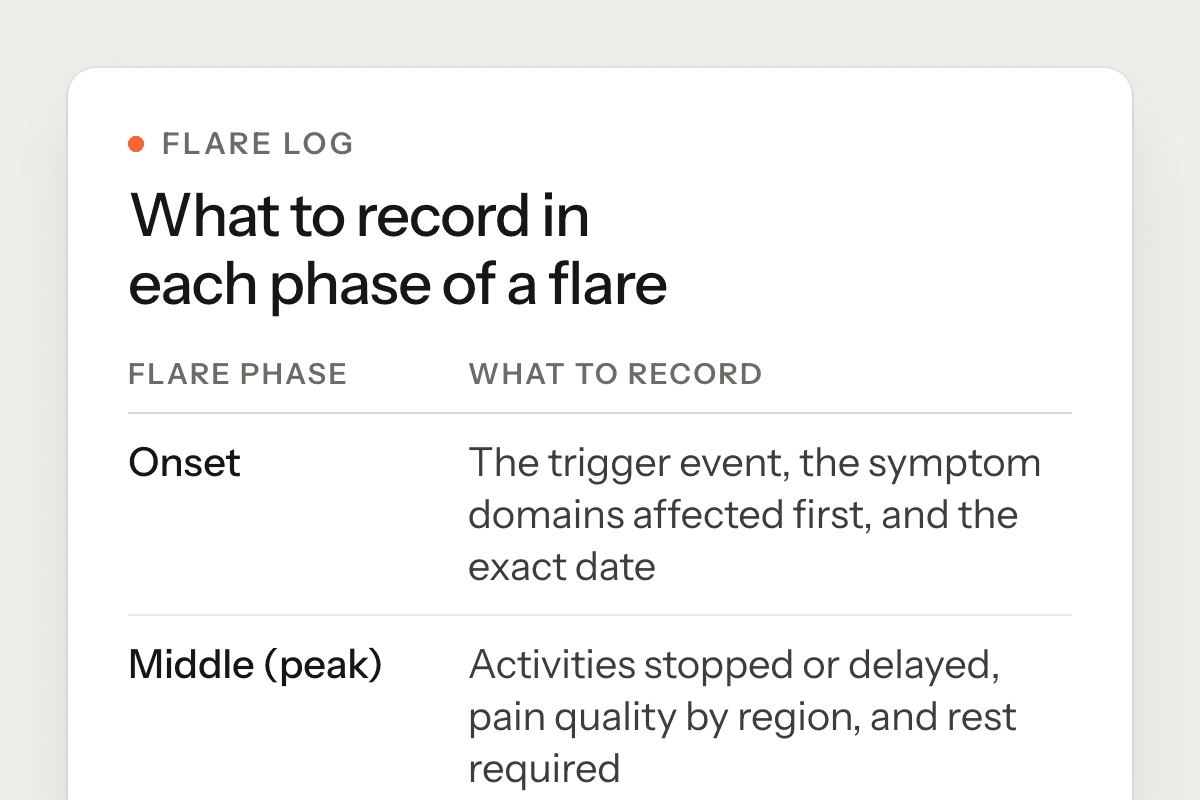
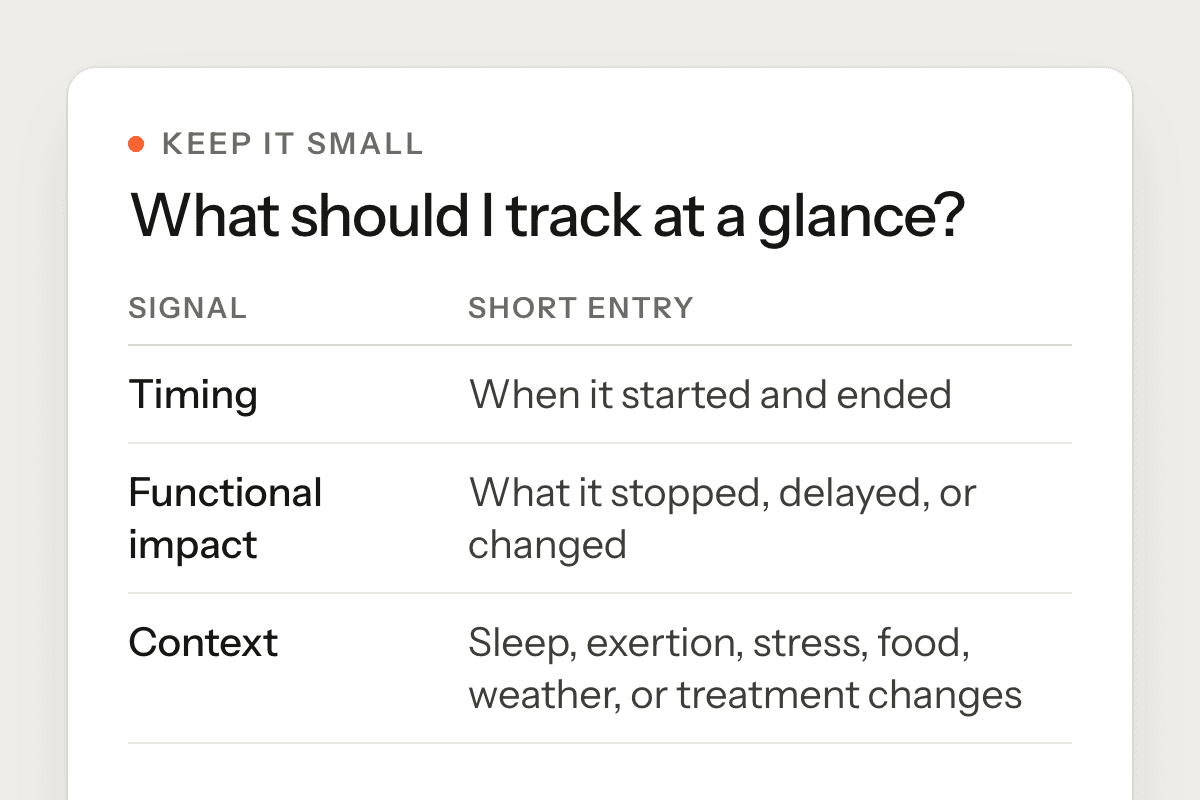
Many people with Hashimoto’s notice that certain foods seem to affect them. That may be real, and it may also be another condition such as coeliac disease or IBS, or coincidence. A short log helps you tell the difference before you change what you eat.
- Keep a simple log for two to four weeks. Note what you ate, roughly when, and your main symptoms with a score from 0 to 10.
- Write down your levothyroxine time and anything you had within the next hour or two.
- Add context: sleep, stress, illness, your period and bowel habits. These often explain bad days that food does not.
- Look for patterns that repeat, not single bad days. Count them: “three of the four days after X” is more useful than “always”.
- Change one thing at a time, for a set period, and keep logging. Discuss anything bigger, such as cutting out a whole food group, with a doctor or dietitian first.
| Column | Example entry (fictional) |
|---|---|
| Date and time | Tuesday, 7 am dose; 7:45 am breakfast |
| What I ate or drank | Porridge with milk; coffee at 8 am |
| Symptoms and score | Bloating 5/10 at 10 am; tiredness 6/10 all day |
| Other context | Slept 5 hours; period started |
| Question for later | Is the bloating linked to milk, or to my period? |
Our free printable food and symptom log uses the same columns. If writing things down is hard on tired days, you can tell Juno what you ate and how you feel by voice or text, and it keeps the notes in one timeline for your next appointment. See the Hashimoto’s tracking page for how it works. A log cannot prove a food is a trigger, but it gives your doctor or dietitian something concrete to work with.
When should you talk to your doctor or a dietitian?
- Before starting selenium, iodine, kelp, high-dose vitamin D or biotin.
- Before going gluten-free, so you can be tested for coeliac disease first.
- If you change your morning routine, start a calcium or iron supplement, or switch to soy milk.
- If you are pregnant, planning a pregnancy or breastfeeding.
- If your weight changes a lot, or symptoms return after a period of feeling well.
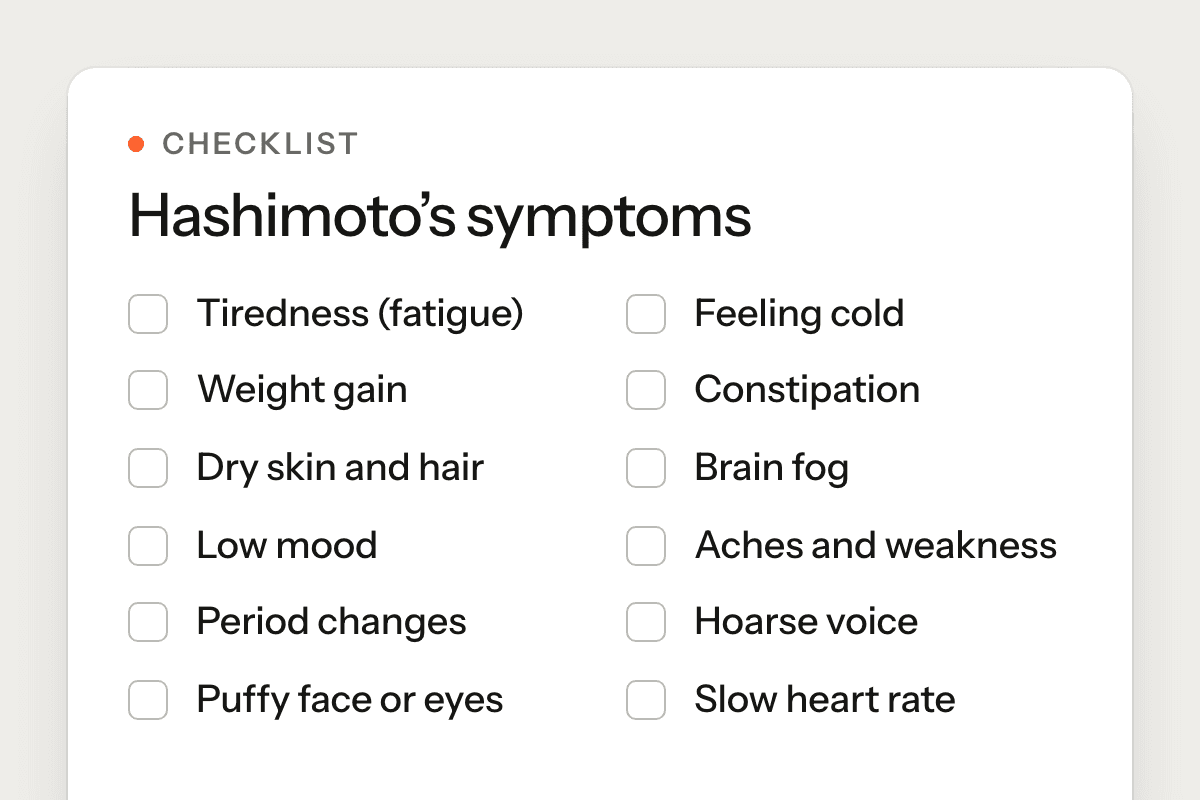
If your symptoms are changing and you are not sure why, our guide to Hashimoto’s symptoms covers what to look for, the tests involved and when to get help.
Frequently asked questions
What foods should I avoid with Hashimoto’s?
Most people do not need to avoid any food completely. The main things to avoid are kelp and high-dose iodine supplements, large amounts of seaweed, and taking coffee, food, calcium, iron or soy at the same time as levothyroxine. If you have coeliac disease, you need to avoid gluten. Otherwise, a balanced diet is the advice.
What is the most effective diet for Hashimoto’s?
No diet has been shown to treat Hashimoto’s. A Mediterranean-style pattern is a reasonable base for overall health. Gluten-free, AIP and other diets have only small or mixed studies behind them. Taking levothyroxine correctly has far more effect on thyroid levels than any specific diet.
Can I drink coffee with Hashimoto’s?
Yes. The issue is timing, not coffee itself. Coffee taken with levothyroxine can reduce how much is absorbed, so the NHS advises waiting 30 to 60 minutes after your dose before a caffeinated drink. Keep your routine consistent so your blood tests reflect how you usually take it.
How can I lose weight with Hashimoto’s?
First make sure your thyroid levels are in range, since untreated hypothyroidism can add a few pounds, mostly salt and water. Once levels are normal, weight loss works the same way as for anyone else. There is no special Hashimoto’s weight-loss diet, and thyroid hormone should never be taken to lose weight.
Should I take selenium for Hashimoto’s?
Trials show selenium can lower TPO antibodies, but it has not been shown to make people feel better or to replace levothyroxine, and it is not in major thyroid guidelines. If you try it, agree a dose with your doctor and stay within the upper limit from all sources, food included: 400 mcg a day in the US, 255 mcg in Europe.
Is a gluten-free diet good for Hashimoto’s?
It is essential if you have coeliac disease, which is more common with Hashimoto’s. Without coeliac disease, studies are small and mixed, and experts say the evidence is not enough to recommend it for everyone. Get tested for coeliac disease while still eating gluten before trying it.
Can diet cure or reverse Hashimoto’s?
No. There is no evidence that any diet cures Hashimoto’s or reverses thyroid damage. Some studies show small changes in antibody levels, but not a return of normal thyroid function. If you have hypothyroidism, levothyroxine remains the treatment. Diet can support your overall health alongside it.
Tools that go with this article
Sources
- Cleveland Clinic: Hashimoto’s disease
- Mayo Clinic: Hypothyroidism diet: can certain foods increase thyroid function?
- Osowiecka K, Myszkowska-Ryciak J. The influence of nutritional intervention in the treatment of Hashimoto’s thyroiditis: a systematic review. Nutrients. 2023
- NHS: Levothyroxine
- NIDDK (National Institutes of Health): Hashimoto’s disease
- British Thyroid Foundation: Diets and supplements for thyroid disorders
- Benvenga S, et al. Altered intestinal absorption of L-thyroxine caused by coffee. Thyroid. 2008
- Klubo-Gwiezdzinska J, Wartofsky L. Hashimoto thyroiditis: an evidence-based guide to etiology, diagnosis and treatment. Pol Arch Intern Med. 2022
- Roy A, et al. Prevalence of celiac disease in patients with autoimmune thyroid disease: a meta-analysis. Thyroid. 2016
- NHS: Coeliac disease diagnosis
- Piticchio T, et al. Effect of gluten-free diet on autoimmune thyroiditis progression in patients with no symptoms or histology of celiac disease: a meta-analysis. Front Endocrinol. 2023
- Huwiler VV, et al. Selenium supplementation in patients with Hashimoto thyroiditis: a systematic review and meta-analysis of randomized clinical trials. Thyroid. 2024
- NIH Office of Dietary Supplements: Selenium fact sheet
- American Thyroid Association: Statement on the potential risks of excess iodine ingestion and exposure
- NIH Office of Dietary Supplements: Iodine fact sheet
- Jiang H, et al. Effects of vitamin D treatment on thyroid function and autoimmunity markers in patients with Hashimoto’s thyroiditis: a meta-analysis of randomized controlled trials. J Clin Pharm Ther. 2022
- Ruggeri RM, et al. Influence of dietary habits on oxidative stress markers in Hashimoto’s thyroiditis. Thyroid. 2021
- Abbott RD, et al. Efficacy of the autoimmune protocol diet as part of a multi-disciplinary, supported lifestyle intervention for Hashimoto’s thyroiditis. Cureus. 2019
- Linus Pauling Institute, Oregon State University: Cruciferous vegetables
- American Thyroid Association: Thyroid and weight
- Araújo EMQ, Ramos HE, Trevisani VFM. Commentary: Effect of gluten-free diet on autoimmune thyroiditis progression in patients with no symptoms or histology of celiac disease: a meta-analysis. Front Endocrinol. 2024
Turn day-to-day notes into a clearer health story
Juno helps you track symptoms through conversation, notice patterns, and prepare a structured summary for appointments. Explore Juno’s Hashimoto’s symptom tracker. Download Juno on the App Store.
This article is for general information only and does not replace advice from your own clinician. Juno is a health assistant, not a medical provider.
Last updated: 2026-10-11