Quick answer
What is the best way to track IBS symptoms?
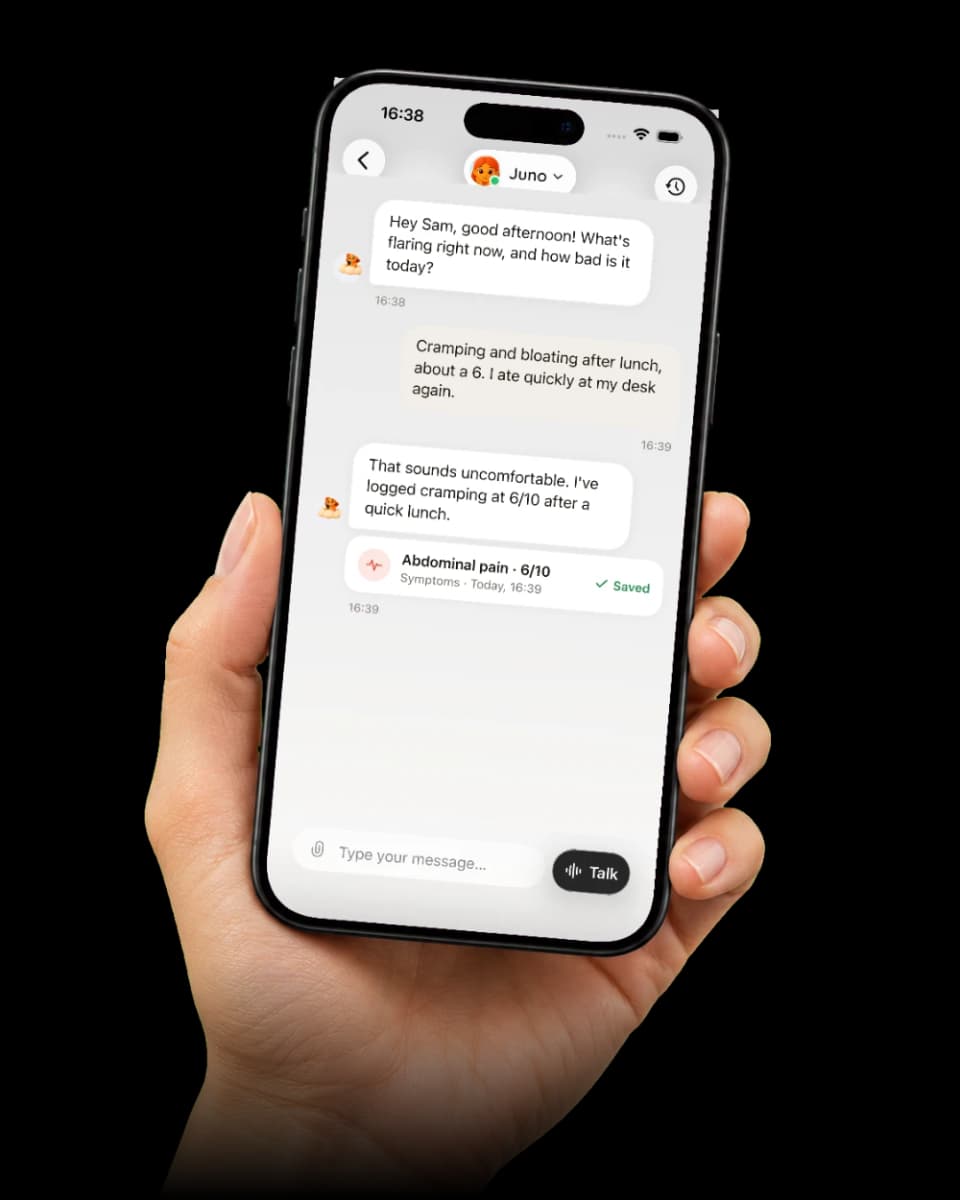
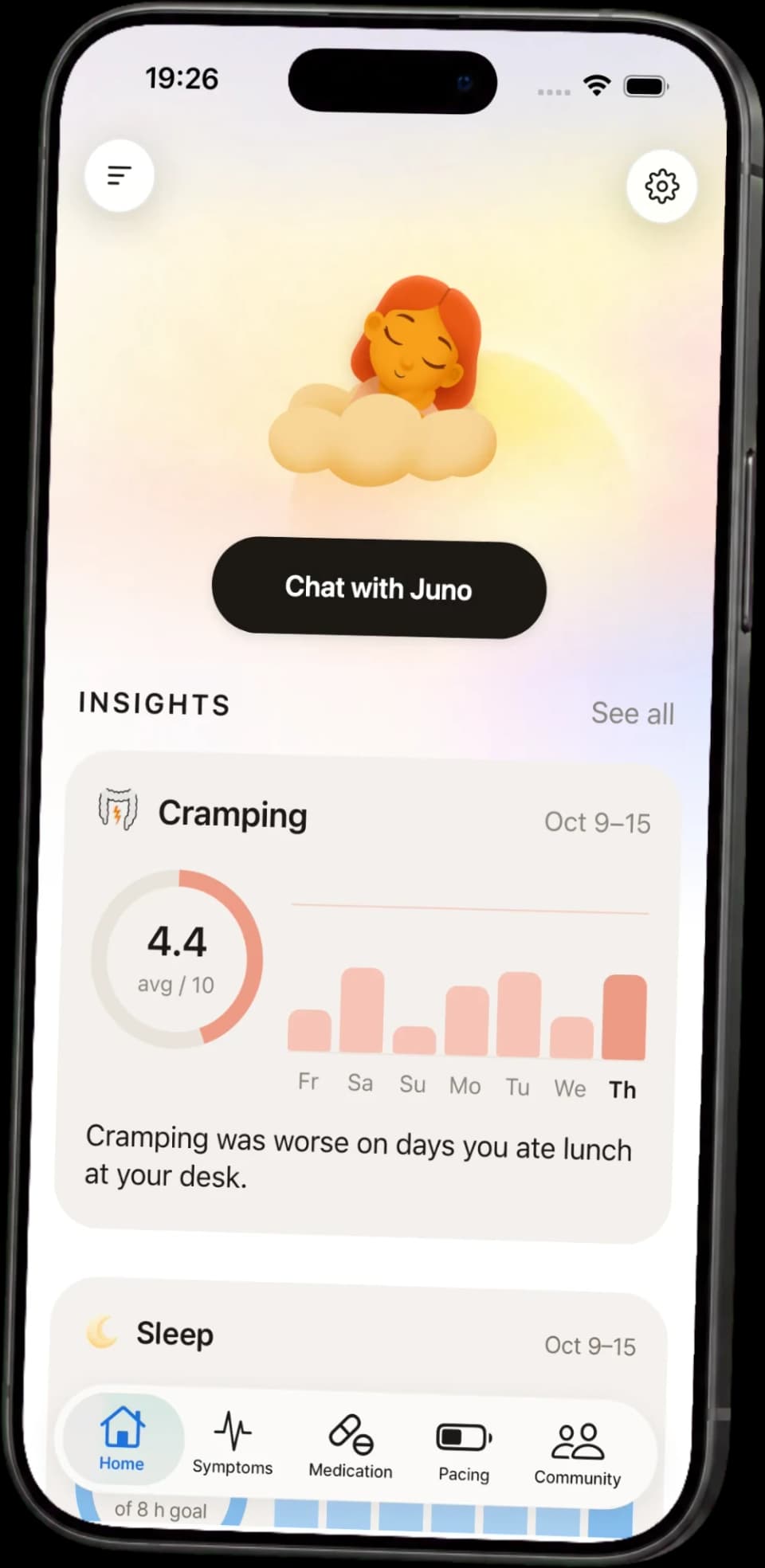
The best way to track Irritable Bowel Syndrome is to separate symptoms by domain, log what changed when it happened, and connect each entry to triggers, treatment, and daily impact. Juno turns low-effort voice or text check-ins into a timeline your gastroenterologist or GP can review.
Want to start today? Track IBS symptoms for free, with food and stress as possible triggers.
Bloating and gas that keep coming back? Read about SIBO symptoms, how the breath test works and what to ask.
What should your IBS symptom tracker record?
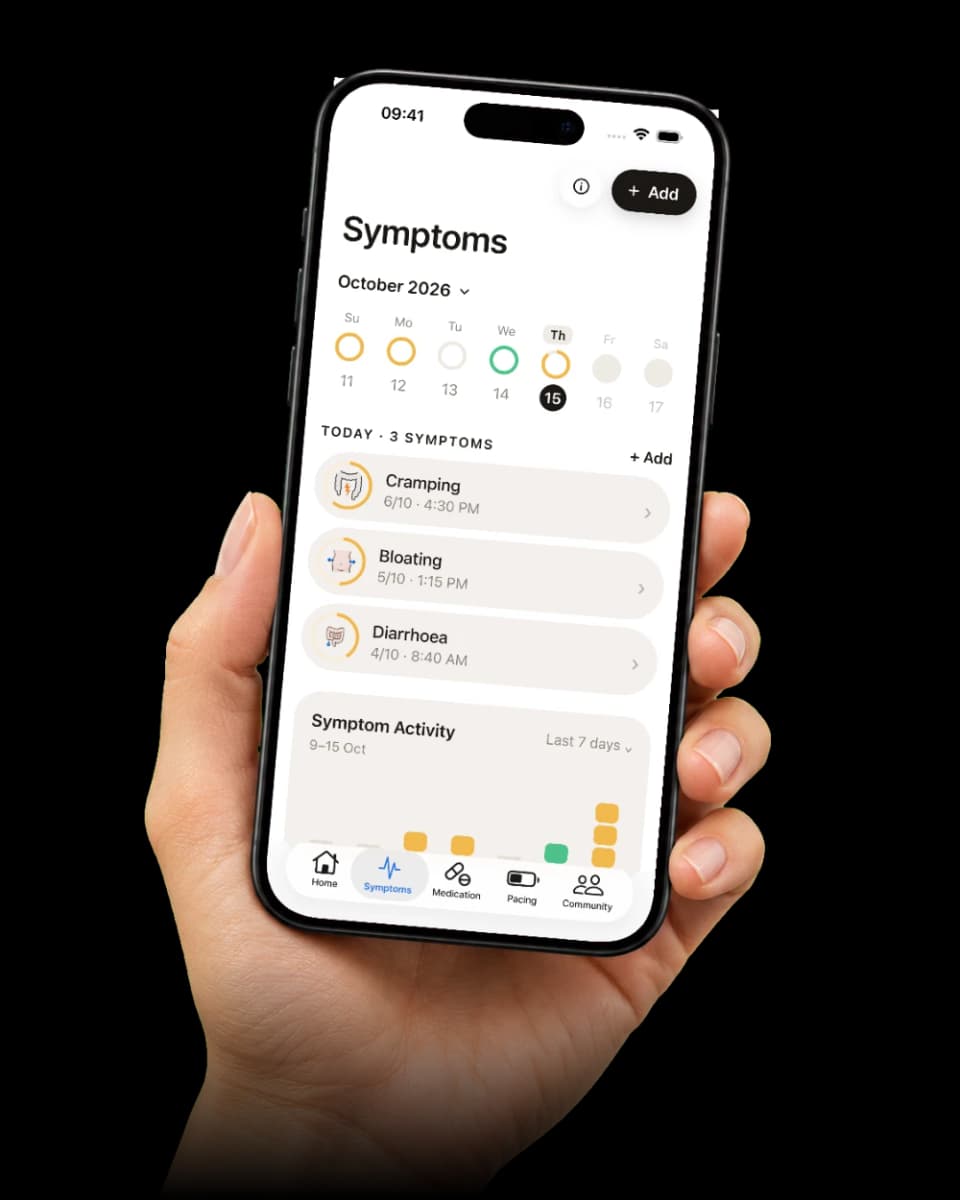
A strong Irritable Bowel Syndrome tracker records separate symptom domains, timing, triggers, treatment context, and functional impact. For Irritable Bowel Syndrome, the most useful entries are abdominal pain and cramping, bowel habits (frequency, bristol form), food and meal timing, stress and mood, bloating and gas.
How does tracking Irritable Bowel Syndrome help at appointments?
Tracking gives your gastroenterologist or GP a cleaner timeline than memory can provide. It turns scattered day-to-day notes into onset, duration, recovery, possible triggers, medication context, and the questions you need answered.
When should new Irritable Bowel Syndrome symptoms be escalated?
New, sudden, severe, or worsening symptoms should be shared with your clinical team promptly, especially when they affect daily safety, function, medication response, or a body system your care team is already monitoring. Juno helps you record what changed, but your clinician decides what needs urgent care.
What should you log?
- Abdominal pain and cramping
- Bowel habits (frequency, Bristol form)
- Food and meal timing
- Stress and mood
- Bloating and gas
- Flares
- Sleep
- Hydration
What patterns matter?
- Foods that show up before symptoms across multiple weeks
- Stress days preceding bowel changes
- Symptom timing relative to meals
- Sleep loss and next-day digestive symptoms
What should you bring?
- Stool pattern using a recognisable scale (Bristol)
- Pain timing relative to meals and bowel movements
- A meal log surfaced against symptom days
- Stress and lifestyle context
- Specific questions for your gastroenterologist or GP
Tracker comparison
What makes Juno different from a generic tracker?
Generic trackers often flatten complex symptoms into one daily score. Juno keeps the details separate enough for pattern recognition and clear enough for appointments.
| Need | Generic tracker | Juno |
|---|
| Food diary | 30 fields per meal, abandoned by day three | Plain-language meal notes, working in seconds |
|---|
| Bristol scale | Not used | Stool form using the scale clinicians actually read |
|---|
| Stress vs food | Conflated as 'triggers' | Separated so you can see which is doing more |
|---|
| Flare narrative | Free-text recall | Flare with meals, stress, and sleep stacked alongside |
|---|
| GI appointment prep | Verbal recall | Tidy summary timed to the visit |
|---|
Key benefits
Four ways Juno makes life with IBS a little easier.
Spot Irritable Bowel Syndrome flare patterns sooner
Track shifts in abdominal pain and cramping, bowel habits (frequency, bristol form), food and meal timing, stress and mood before they blur together by the next appointment.
Track symptoms automatically
Tell Juno what happened in plain language and it turns that into a clear symptom timeline without extra admin.
Protect your energy
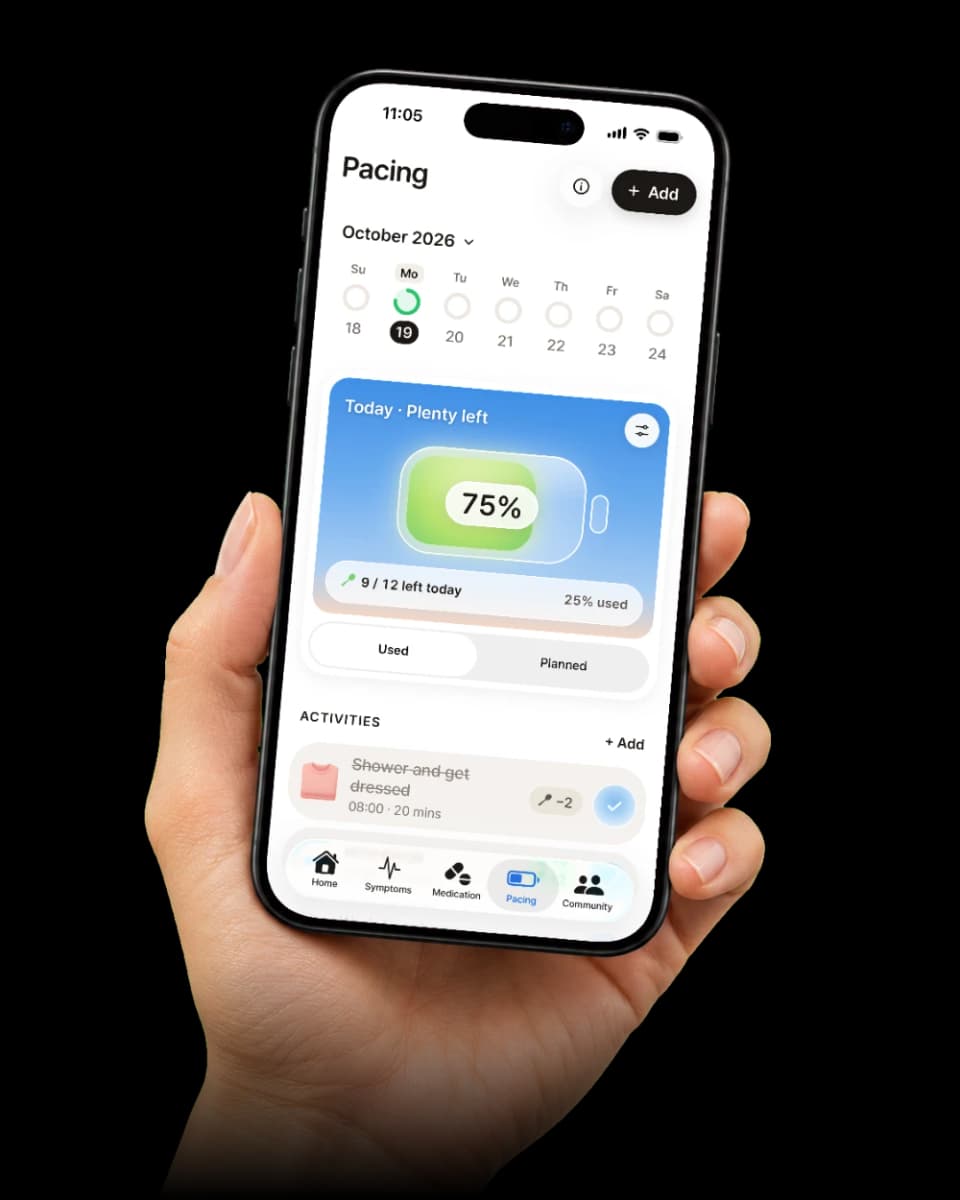
See what tends to push you past baseline so you can pace the week with less guesswork around irritable bowel syndrome.
Show up prepared
Turn daily notes, symptom changes, and context into something your gastroenterologist or GP can actually use.
Privacy policy
Private and secure.
Health conversations are personal. Juno is built so your notes, symptoms, and timeline stay yours.
Your health data should not feel exposed.
Conversations are encrypted and kept private.
We do not sell your personal health information.
You can review, export, or delete your data at any time.
Read the privacy policy →


 Cramps
 Bloating
 Diarrhoea
 Constipation
 Gas

 Juno